
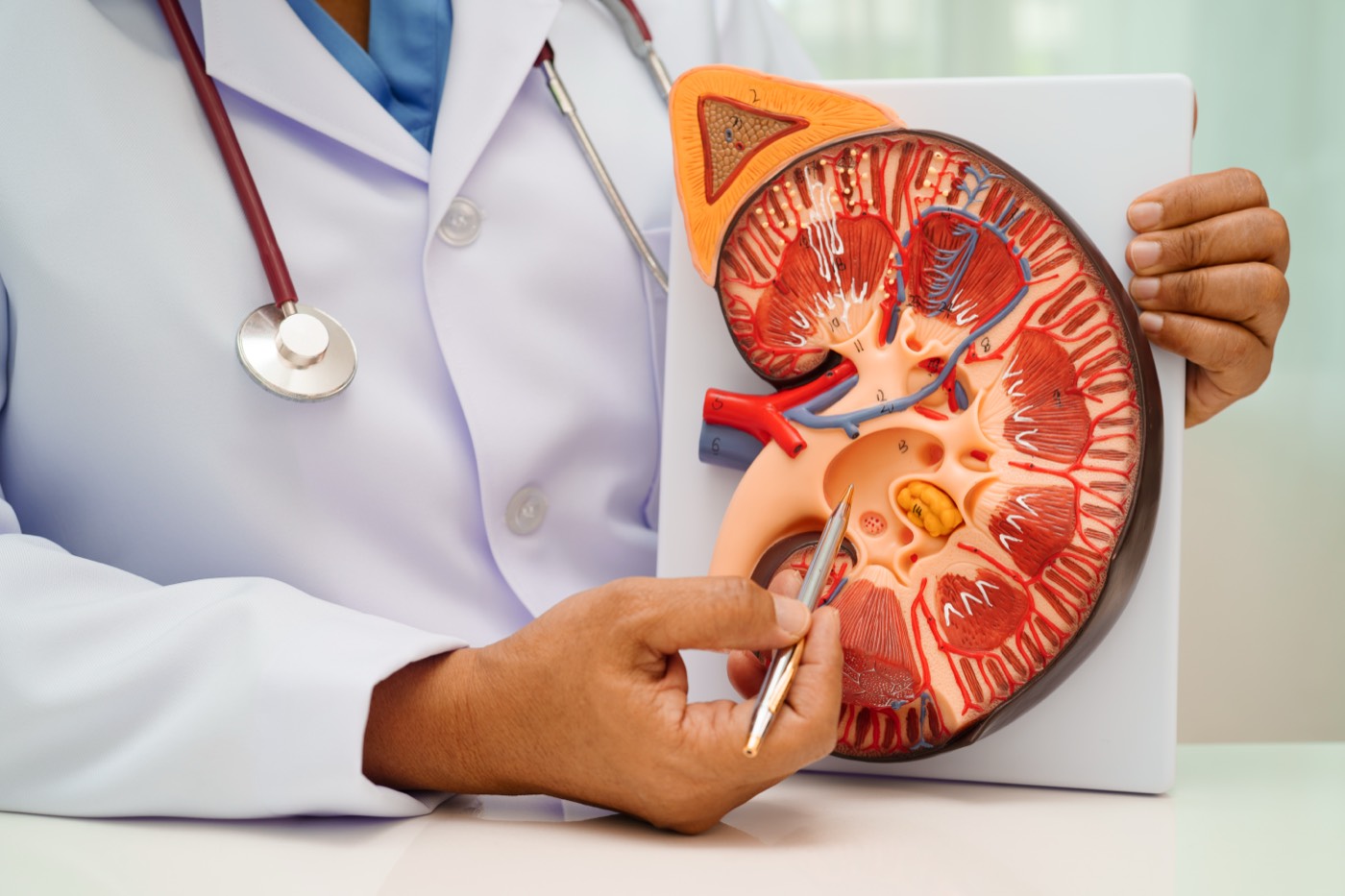
The kidneys are among the most important organs in the body, helping us to live well by filtering waste products from the blood and removing them from the body. Unfortunately, kidney disease often goes unnoticed in its early stages and may only be recognised once it has reached an advanced and dangerous stage. Knowing the leading causes of kidney damage can help you protect your kidneys before problems develop.
Key Takeaways
- Diabetes and high blood pressure are the two leading causes of kidney damage.
- A family history of kidney disease raises your own risk.
- A poor diet and too much salt place extra strain on the kidneys.
- Kidney disease often has no early symptoms, so regular check-ups matter.
Diabetes
Type 2 diabetes is one of the major causes of kidney damage. In diabetes, the hormone insulin is not produced or used properly, which affects how well the kidneys can work. If you have diabetes, it is important to take the condition seriously: keep sugar and glucose under control and follow your doctor's advice on lifestyle and diet. Poorly controlled diabetes can, over time, damage the kidneys.
High blood pressure
High blood pressure is another common cause of kidney disease. Raised pressure places extra strain on the delicate filtering units of the kidney and can damage them over time. High blood pressure has become increasingly common, but it can usually be managed well with medication. If you have high blood pressure, stay alert and take your medicines exactly as prescribed. Your doctor will recommend a continuous course of treatment to keep your blood pressure under control. Never skip doses, and never take an extra dose to make up for a missed one, as taking too much medication can itself harm the kidneys. If you forget a dose, ask your doctor what to do rather than doubling up.
Family history
Kidney disease can also run in families. If a parent or close relative has had kidney disease, your own risk may be higher. In these cases it is wise to speak to a doctor about regular monitoring, so that any problems can be picked up early and steps taken to stay safe in the future.
Diet and salt
Diet plays an important role in kidney health. Many processed foods and drinks can strain the kidneys and affect how well they function, so it is best to follow a healthy, balanced diet that is easy to digest and low in ingredients that are harmful to the kidneys.
Salt, in particular, is a major factor in kidney disease, and too much of it is harmful. Many everyday foods contain surprisingly high amounts of salt, including snacks, cheese and large restaurant-style meals. Reducing your salt intake is one of the simplest ways to look after your kidneys.
Protecting your kidneys is largely about a healthy lifestyle. For more practical advice, read our guide on the secrets to keeping your kidneys healthy.
Every treatment plan starts with a proper assessment, so you only get the care your condition actually needs. If you have symptoms or a question about your health, book a consultation with Dr. Anish Gupta.